


The Nature of Luck in Casino Games
Luck plays a fundamental role in casino games, often serving as the wind that propels the sails of many players. In games such as slots or roulette, chance dictates the outcomes to a large extent. Players place their bets with the hope that fortune favors them, especially when they choose options that provide a casino fast withdrawal process, as the results are largely random and beyond their control. This element of unpredictability is what draws many to these gaming experiences, as the thrill of not knowing can lead to exhilarating highs or devastating lows.
Moreover, the concept of luck transcends simple chance. It encompasses a player’s ability to pick favorable moments to gamble and can be linked to superstitions and rituals that players often engage in. Some may believe in lucky numbers or utilize specific strategies to enhance their chances, even if these methods lack statistical backing. The anticipation and emotional response to perceived luck add another layer to the gambling experience, creating a unique psychological interplay between the player and the game.
While luck is a driving force in casino games, it’s crucial to recognize its limitations. Gamblers must often confront the reality that luck can be fleeting, leading to a cycle of wins and losses. This unpredictability necessitates a balance, encouraging players to manage their expectations while embracing the thrill of potential gains. Understanding that luck can vary significantly from one game or session to another helps in developing a more realistic approach to gambling.
The Role of Skill in Casino Games
Unlike luck, skill involves the application of knowledge and strategic thinking to enhance a player’s success rate in certain casino games. Table games like poker and blackjack require players to develop a level of expertise that can significantly influence their outcomes. In poker, understanding the mathematics of pot odds and reading opponents are crucial skills that can lead to success. Skillful players are often able to leverage their knowledge to make informed decisions, maximizing their chances of winning.
In blackjack, for example, the basic strategy revolves around statistical probabilities, which can dramatically shift the odds in favor of the player. Mastering when to hit, stand, or double down based on the dealer’s visible card is essential for effective gameplay. Professional players frequently study these strategies, attending workshops and practicing extensively to hone their skills. The interplay between skill and luck becomes particularly evident in scenarios where knowledge can mitigate the disadvantages posed by randomness.
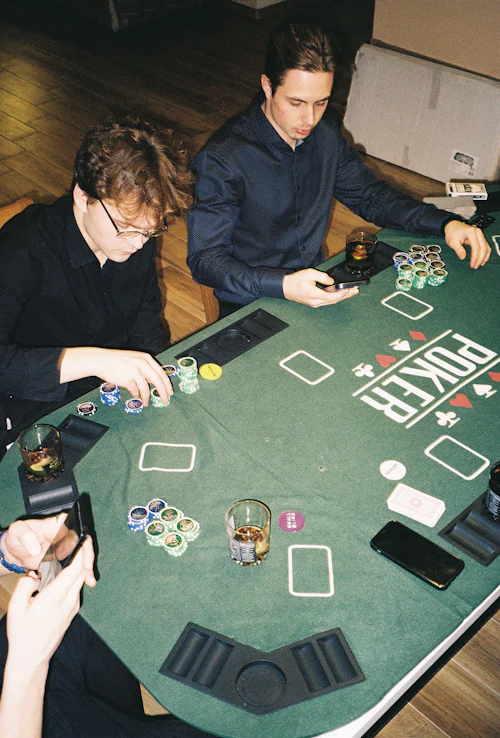
Furthermore, skill can also manifest in the psychological dimensions of gaming. Players who can maintain composure under pressure and make thoughtful decisions are often more successful than those who rely solely on luck. Developing emotional discipline, such as knowing when to walk away, can also be considered a vital skill in the gambling world. Hence, while luck may initially attract players, it is the cultivation of skills that often leads to long-term success in casino gaming.
The Balance Between Luck and Skill
The coexistence of luck and skill in casino games invites a fascinating discussion about their interdependence. In many scenarios, a skilled player may find themselves at the mercy of luck, while a lucky player may not know how to capitalize on favorable circumstances. This balance is evident in many popular games, where the outcome is determined by both elements. Understanding how to navigate this relationship is key for individuals looking to improve their gaming strategies.
Take blackjack as a perfect illustration of this balance. Although players can employ strategies based on mathematics and probabilities, each round’s outcome is still determined by the shuffling of cards, an element of luck that can never be entirely controlled. Conversely, while games like slots rely heavily on luck, players can enhance their experience through responsible gaming practices, managing their bankroll, and understanding the odds of various machines. This combination of tactics can amplify their enjoyment and success rate.
Moreover, the perception of luck and skill can vary widely among players, influenced by individual experiences and gaming philosophies. Some might view their wins as sheer luck, while others attribute their success to their honed skills. This dichotomy not only fuels passionate debates among enthusiasts but also shapes the narratives surrounding gambling culture. Ultimately, understanding this balance can lead to a more fulfilling gaming experience, encouraging players to appreciate both the role of chance and the value of skill in their quests for success.
Psychological Aspects of Gambling
The psychology behind gambling is multifaceted, with luck and skill playing significant roles in how players engage with casino games. The thrill of chance can evoke strong emotional responses, leading to an adrenaline rush that some find addictive. Players often experience a sense of euphoria from the possibility of winning, which can lead to repeated visits to the casino, regardless of the outcome. Understanding these psychological triggers is essential for both players and operators to promote responsible gaming.
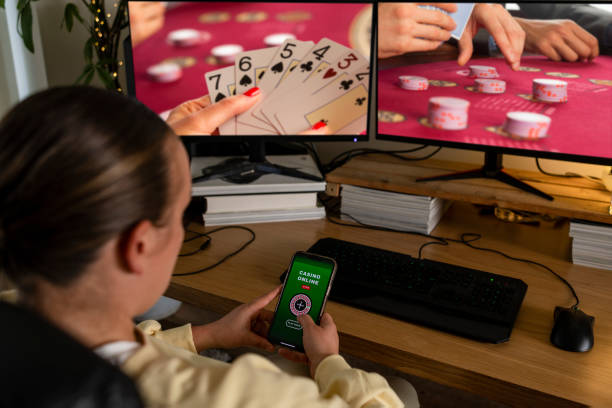
On the skill side, players who invest time into mastering games often develop a sense of confidence that can enhance their overall experience. This confidence can create a feedback loop where positive outcomes reinforce their belief in their abilities, motivating further practice and engagement. However, an overestimation of skill can lead to detrimental gambling behavior, as individuals may chase losses or continue to play in unfavorable situations. Self-awareness and a clear understanding of one’s limitations are crucial components of responsible gambling.
Additionally, the social aspects of gambling cannot be overlooked. Players often engage in games with friends or strangers, creating a community atmosphere that enhances the overall experience. This social interaction can impact perceptions of luck and skill, as discussions and shared experiences lead to the exchange of strategies and superstitions. Understanding how these psychological factors influence behavior can create a more balanced and enjoyable gaming environment for all participants.
Exploring More About Responsible Gaming
For those interested in delving deeper into the world of casino games, it’s crucial to approach gaming from a perspective of responsibility. Many resources focus on educating players about the balance of luck and skill, emphasizing the importance of understanding one’s gaming habits. Engaging with these materials can help players become more informed about their choices and the inherent risks involved in gambling.
Moreover, many platforms dedicated to casino games offer insights into responsible gaming practices. From tools that help track spending to features that promote breaks during gaming sessions, these resources play a significant role in maintaining a healthy relationship with gambling. Players are encouraged to take advantage of these features to ensure they are engaging in a balanced manner, recognizing the fine line between entertainment and potential addiction.
In summary, exploring the impact of luck and skill in casino games not only enriches the gaming experience but also promotes healthier habits. Understanding these dynamics can enhance enjoyment and ensure that players engage in responsible gaming practices, leading to a more positive and fulfilling experience overall.